In today’s digital era, the terms web design and web development are often used interchangeably. However, they represent distinct sides of creating a website.
Understanding the connection between the two is crucial for anyone looking to establish a robust online presence.
Some people are good at coding, problem-solving, and creating the functionality of websites, while others have a flair for creativity, an eye for aesthetics, and enjoy designing how websites look and feel. Regardless of which category, both skills are essential for the overall performance of a website.
This comprehensive guide delves into the definitions, similarities, differences, and the latest trends shaping both fields.
What is Web Design?
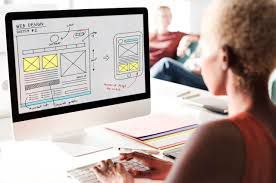
Web design has to do with the visual aspect of a website. It embodies the looks and feels of your website. It consists of things like the colour scheme, typography, user interface and user experience.
Web designers ensure the site looks clear and clean-cut and that customers understand how to interact with it. They are also referred to as user experience, or “UX”, designers.
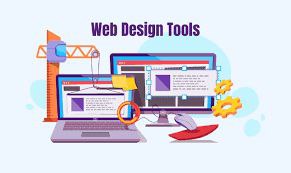
Some of the tools used for web design includes:
1) Figma:
This interface design tool allows multiple designers to work on the same project at the same time. You can also open this software on a browser. Above all, Figma enables you to quickly create web designs for mobile devices and desktop computers with the help of searchable styles and assets.
2) Adobe XD:
Adobe XD is a tool for vector web design and wireframing. It provides features like drawing tools, previews for mobile and desktop, and the capability to share your designs for feedback. As it is an Adobe product, users can also access Adobe libraries, which makes it easy to import designs and resources from programs such as Photoshop or Illustrator.
3) Photoshop:
Photoshop is a powerhouse, an all-in-one graphic design tool.
It started out as a platform only for photo editing, Photoshop now can be used for interface design, video editing, graphic design, and more.
What is Web Development?
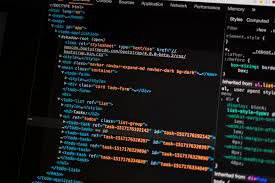
Web development focuses on the technical side of building websites. It involves skills like coding, programming, and managing databases. Web developers employ HTML, JavaScript, and CSS to turn web designs into functioning sites. This field falls under software engineering. While a web developer might consider themselves a software engineer, not all software engineers see themselves in that role (some may only work with mobile applications or video games).
Web developers use different tools like:
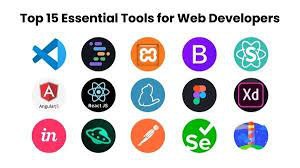
1) Sublime Text:
Sublime Text is a DevTool that may be easy for professionals to use because it offers a straightforward and accessible interface. It includes features like command palette and keyboard shortcuts. It also makes the testing and revision process more efficient by suggesting code based on existing text.
2.) JavaScript:
JavaScript is a widely recognized programming language in web development. Front-end developers must be familiar with it alongside HTML and CSS. Various JavaScript testing frameworks such as unit. js, Mocha, Jest, etc. , can be utilized for this purpose.
3) Python:
As a straightforward back-end programming language, Python features uncomplicated syntax. This simplicity contributes to its significant presence in the web development field. It operates across multiple platforms and is compatible with various languages such as C and Java. Moreover, it is beneficial for data visualization and analytics.
Similarities Between Web Design and Web Development

Just like it was stated in the Introduction, both web designer and development is needed to ensure the smooth running of a website. In as much as they are not exactly the same thing, they share some things in common.
1. Shared Focus on User Experience :
Both web design and development aim to create a smooth and enjoyable experience for users. While designers craft the layout and interface, developers make sure it functions properly.
Each decision, whether visual or technical, is centered around how the end user will interact with the website, ensuring satisfaction and engagement.
2. Close Collaboration Throughout Projects:
Web designers and developers must work closely together from start to finish. A designer’s idea must be feasible for a developer to implement.
Constant communication, feedback, and teamwork help them bridge the gap between visual appeal and functionality, resulting in websites that not only look good but also work seamlessly.
3. Problem-Solving Is Part Web Design and Development :
Whether it’s fixing layout issues or troubleshooting a code error, both roles involve identifying and solving problems. Web designers address visual and user-flow challenges, while developers resolve functionality issues.
Creative and critical thinking are essential in both fields, as each plays a part in optimizing the website’s performance and usability.
4. Familiarity With Similar Tools and Platforms:
Designers and developers often work on the same platforms like WordPress, Wix, or Shopify.
While their tools differ—Figma or Adobe XD for designers, VS Code or GitHub for developers, they share a working knowledge of web structure and content flow.
This overlap helps improve collaboration and simplifies the site-building process.
Differences Between Web Design and Web Development
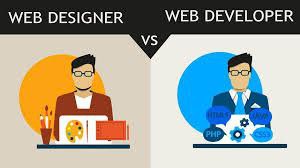
1. Focus Areas Are Different For Web Design and Web Development:
Web design and web development differ mainly in their focus areas. Web designers are concerned with the visual appeal and user experience of a website.
They use tools like Figma, Adobe XD, and Sketch to create layouts, choose colours and fonts, and ensure the design is user-friendly and responsive.
While designers paint the picture, developers build the engine that makes the picture work on the web.
2. Tools and Skills Used For Web Design and Web Development:
Web designers focus on the visual and user experience aspects of a website, using tools like Adobe XD, Figma, Sketch, and Canva to create layouts, color schemes, typography, and interactive prototypes. Their skills center around design principles, UI/UX design, and branding.
On the other hand, web developers bring those designs to life using coding languages and frameworks, front-end developers use HTML, CSS, JavaScript, and libraries like React or Vue.js, while back-end developers work with languages like Python, PHP, or Node.js and manage databases and server-side logic.
Essentially, designers craft the look and feel, while developers build the functionality and structure.
3. Learning Path:
Web designers focus on the visual and user experience aspects of websites, so their learning path typically starts with design principles, color theory, typography, and tools like Figma, Adobe XD, or Sketch. They also learn basic HTML and CSS to understand how their designs translate to the web.
In contrast, web developers dive into the technical side, starting with programming languages like HTML, CSS, JavaScript, and often backend languages like Python, PHP, or Node.js.
While designers prioritize creativity and user interaction, developers focus on functionality, logic, and coding skills to bring those designs to life.
4. End Deliverables:
Web designers and developers differ primarily in the type of end deliverables they produce. Web designers focus on the visual and user experience aspects, delivering design mockups, wireframes, UI layouts and style guides that define the look, feel, and flow of a website. Their work is often done using tools like Figma or Adobe XD and centers on aesthetics, branding, and usability.
Developers, on the other hand, take these designs and transform them into functional websites or web applications using code. Their deliverables include the actual website files, backend systems, and interactive features that make the site work across browsers and devices.
In essence, designers shape the vision, while developers bring it to life through code.
Latest Trends in Web Design and Development
The digital landscape is continually evolving, with new trends emerging that shape the future of web design and development, here are some of them.
1. Artificial Intelligence (AI) and Machine Learning (ML):
Integrating AI and ML into websites allows for personalized user experiences, predictive analytics, and enhanced customer service through chatbots and virtual assistants. These technologies enable websites to learn from user interactions and adapt content accordingly.
2. Progressive Web Apps (PWAs):
PWAs combine the best features of web and mobile applications, offering fast load times, offline functionality, and a native app-like experience within a browser. They enhance user engagement and are becoming increasingly popular among businesses.
3. Voice User Interfaces (VUIs):
With the rise of voice-activated devices, incorporating VUIs into web design allows users to interact with websites through voice commands, providing a hands-free and accessible experience.
4. Augmented Reality (AR) and Virtual Reality (VR):
AR and VR technologies are creating immersive experiences on websites, particularly in e-commerce and real estate, where users can visualize products or properties in a virtual environment.
5. Sustainable Web Design:
As environmental concerns grow, there’s a push towards creating energy-efficient websites by optimizing performance, reducing resource consumption, and utilizing green hosting solutions.
6. Micro-Interactions and Animations:
Subtle animations and micro-interactions enhance user engagement by providing feedback and guiding users through tasks, making the experience more interactive and enjoyable.
7. Mobile-First Design:
With the majority of web traffic coming from mobile devices, designing websites with a mobile-first approach ensures optimal performance and user experience on smaller screens.
Conclusion: Bridging Creativity and Code
The fields of web design and web development are interconnected. While one brings creativity, colors, and layout to life, the other ensures functionality, speed, and usability. Together, they make websites not only beautiful but also practical and engaging.
Whether you’re interested in becoming a designer, a developer, or someone who understands both, learning the similarities, differences, and latest trends will help you stay ahead in the digital space.
As technology continues to evolve, the line between design and development becomes more collaborative and having knowledge of both can make you an invaluable asset in the digital world.



1 thought on “Web Design Vs Web Development: Understanding The Digital Duo”
dtf68a