
AI refers to the simulation of human intelligence in machines that are programmed to learn and think as humans.
They are programmed with algorithms that enable them perform tasks that human intelligence e.g. prom-solving, etc, Artificial Intelligence tools can continuously learn and be improved upon over time.
AI is also a tool that has revolutionized the digital space ever since its inception. Its effects can be seen in finance, health, security, as well as the business world.
Let’s take a look at the roles AI plays in Business
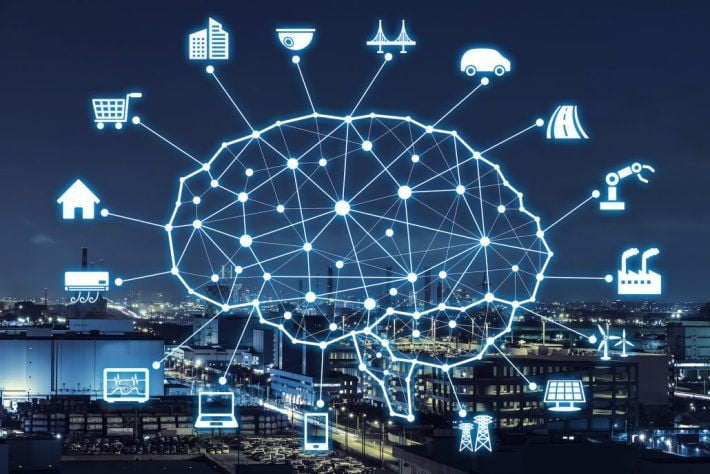
Artificial intelligence has become increasingly prominent in various aspects of business operations.
Here are some key roles that Artificial Intelligence plays in businesses:
Data Analysis and Insights:
Artificial Intelligence can process and analyze large volumes of data quickly and efficiently. It can identify patterns and trends that humans may not easily detect. This enables businesses to make data-driven decisions.
Automation and Efficiency:
Artificial Intelligence can automate repetitive tasks, freeing up human resources to focus on higher-value activities. It can perform tasks such as data entry, customer support, amongst others leading to increased efficiency and improved productivity.
Personalized Customer Experiences:
Artificial Intelligence enables businesses to deliver personalized experiences to their customers. Through techniques like machine learning and natural language processing, It can also analyze customer data and preferences to provide tailored recommendations, personalized marketing campaigns, and customer support which enhances customer satisfaction.
Chatbots and Virtual Assistants:
Artificial Intelligence-powered chatbots and virtual assistants like Google Assistant, and Apple Siri have become prominent in customer service. They can handle customer queries, provide information, and assist in completing transactions. Chatbots can operate 24/7, ensuring round-the-clock support, reducing response times, and improving customer service.
Predictive Analytics and Forecasting:
AI algorithms can analyze historical data and make predictions about future outcomes. Businesses can leverage predictive analytics to forecast demand and make informed business decisions which helps reduce risks and enhance strategic planning.
Fraud Detection and Cybersecurity:
AI can identify patterns and anomalies in data to detect fraudulent activities and potential security breaches. AI-powered cyber security systems provide real-time threat monitoring, early detection, and proactive defense mechanisms.
Enhanced WorkForce Collaboration:
Artificial Intelligence tools can improve collaboration and knowledge sharing among employees. For example, AI-powered chatbots or virtual assistants can provide instant access to information, facilitate team communication, assist in knowledge management and increase efficiency.
These are just some of the roles that AI plays in businesses today. As AI technology continues to advance, its applications in various industries and business functions are likely to expand further.
ARTIFICIAL INTELLIGENCE IN BUSINESS: PROS AND CONS
Incorporating Artificial intelligence in business can offer numerous benefits, but it also comes with certain drawbacks. Here are some merits and demerits of incorporating Artificial Intelligence into business:
Merits of incorporating AI into business:
Increased productivity:
AI can automate repetitive tasks, allowing employees to focus on higher-value work. This automation can lead to increased productivity and efficiency within the organization.
Enhanced decision-making:
Artificial Intelligence systems can analyze vast amounts of data quickly and provide valuable insights for decision-making. This can help businesses make more informed and data-driven decisions, leading to better outcomes.
Improved customer experience:
AI-powered chatbots and virtual assistants e.g. Google Assistant and Apple Siri can provide round-the-clock customer support, answering queries, and resolving issues promptly. This enhances the customer experience and increases customer satisfaction.
Cost savings:
By automating tasks and processes, Artificial Intelligence can reduce operational costs and improve resource allocation. AI systems can optimize inventory management, streamline logistics, and minimize human error, leading to cost savings for businesses.
Advanced analytics:
Artificial Intelligence algorithms can analyze complex data sets to identify patterns, trends, and correlations that humans might miss. This enables businesses to gain valuable insights into market trends, customer behavior, and future predictions.
By automating tasks and handling mundane processes, AI helps to save time thereby increasing efficiency and reducing the workload on human labor.
Demerits of incorporating AI into business:
High cost of implementation:
Implementing AI technologies often requires a significant upfront investment. Developing and integrating AI systems can be complex and time-consuming, requiring specialized skills and expertise.
AI automation can potentially replace certain job roles, leading to workforce displacement. Businesses must consider the impact on employees and invest in reskilling programs to prepare workers for new roles alongside AI.
AI technologies raise ethical concerns, such as privacy issues, algorithmic biases, and the potential for misuse. Ensuring ethical AI practices and addressing these concerns is crucial for businesses to maintain trust and avoid negative consequences.
Limited human touch:
While AI can enhance efficiency and productivity, it may lack the human touch and emotions that some customers desire. Striking the right balance between automation and human interaction is important to meet diverse customer needs.
CONCLUSION
Despite the ease that comes with the implementation of Artificial Intelligence in Business, it is essential to avoid over-dependence on artificial intelligence to prevent complacency and maintain human involvement and creativity.
It’s also imperative for businesses to carefully evaluate the benefits and drawbacks of incorporating AI and ensure proper planning, implementation, and monitoring to leverage its potential while addressing the associated challenges.